
6 Mistakes Homeowners Make When Choosing New Windows
Windows are among the most essential architectural features of any home. They define your exterior curb appeal, let in restorative natural light, shield your living spaces from the elements, and play a massive role in regulating indoor temperatures. Yet, because a full upgrade is an infrequent project, many homeowners rush into the process without evaluating the technical details.
According to Modernize, windows that have passed the 15-year mark, fail to keep out drafts, or develop condensation and mold between panes typically signal that it is time for a full replacement. Failing to address these issues early can lead to water intrusion, poor indoor air quality, and sky-high utility costs. Navigating the hundreds of glass packages, materials, and styles available today can quickly become overwhelming. Partnering early with an experienced local window replacement company ensures that you avoid costly missteps and pick units that protect your home for decades to come.
1. Prioritizing Upfront Sticker Price Over Lifelong Energy Efficiency
When evaluating bids, it is tempting to gravitate toward the lowest estimate. However, treating window replacement as a budget clearance hunt often proves remarkably expensive in the long run. The initial purchase price represents only a fraction of a window’s true lifecycle cost. Builder-grade, baseline windows often lack the sophisticated thermal barriers necessary to insulate your living space from seasonal extremes.
To make a financially sound decision, you must familiarize yourself with two crucial ratings certified by the National Fenestration Rating Council (NFRC): the U-Factor and the Solar Heat Gain Coefficient (SHGC). The U-Factor measures the rate of heat transfer, indicating how well the window insulates against outdoor cold. The lower the number, the better the window keeps heat inside during winter.
The SHGC measures how much solar radiation enters your home as heat, which is vital during scorching summers. Units that lack dual- or triple-pane construction, argon or krypton gas fills, and low-emissivity (Low-E) coatings permit continuous thermal transfer. As a result, your HVAC system must run constantly to maintain a stable indoor temperature, leading to inflated monthly utility bills. A reputable local window replacement company can calculate realistic payback periods for high-performance glass packages, demonstrating how high-efficiency units pay for themselves over time.
2. Ignoring Your Regional Climate and Solar Exposure
A common error among homeowners is assuming that every window on their home should have identical specifications. In reality, a window that performs brilliantly in a mild, arid environment will perform poorly in a freeze-thaw climate or a humid coastal zone. Furthermore, the microclimate around your home and the sun's trajectory across your rooms require tailored glass configurations.
South- and west-facing rooms typically receive intense afternoon sunlight, generating substantial heat buildup. In these areas, opting for a lower SHGC and specialized tinted Low-E glass minimizes glare and prevents heat from turning living rooms into greenhouses. Conversely, north-facing windows receive little direct sunlight and benefit more from glass configurations that maximize thermal retention.
Regional weather patterns also dictate framing resilience. Coastal homes need impact-resistant glass and salt-resistant hardware, whereas regions prone to dramatic temperature swings demand materials that resist expansion and contraction. A knowledgeable local window replacement company understands these local environmental stresses far better than national supply chains and can design a customized plan tailored to your home’s orientation.
3. Overlooking the Maintenance Demands of Different Frame Materials
It is easy to fall in love with the appearance of a material in a showroom catalog without considering the maintenance it requires after five or ten years. Window frames are available in vinyl, wood, aluminum, fiberglass, and composite blends, each carrying distinct advantages, price tags, and upkeep obligations:
- Vinyl: Extremely popular due to its affordability, natural insulation properties, and virtually zero maintenance requirements. It never needs repainting, though low-quality vinyl can expand or warp under severe heat.
- Wood: Offers unmatched historic elegance, architectural warmth, and excellent natural insulation. However, wood demands routine scraping, priming, painting, or staining to prevent rot, warping, and insect damage.
- Fiberglass: Strong, dimensionally stable, and resistant to extreme temperature fluctuations. It requires minimal maintenance and can be painted, though it comes at a higher initial price point.
- Aluminum: Lightweight and modern with narrow sightlines, but poor at insulating against cold temperatures unless equipped with advanced thermal breaks.
Failing to match a frame material to your lifestyle often results in neglected upkeep or premature frame degradation. Consult with your local window replacement company to examine physical material cross-sections and choose a framing option that aligns with your maintenance capacity.
4. Attempting a DIY Installation to Cut Labor Costs
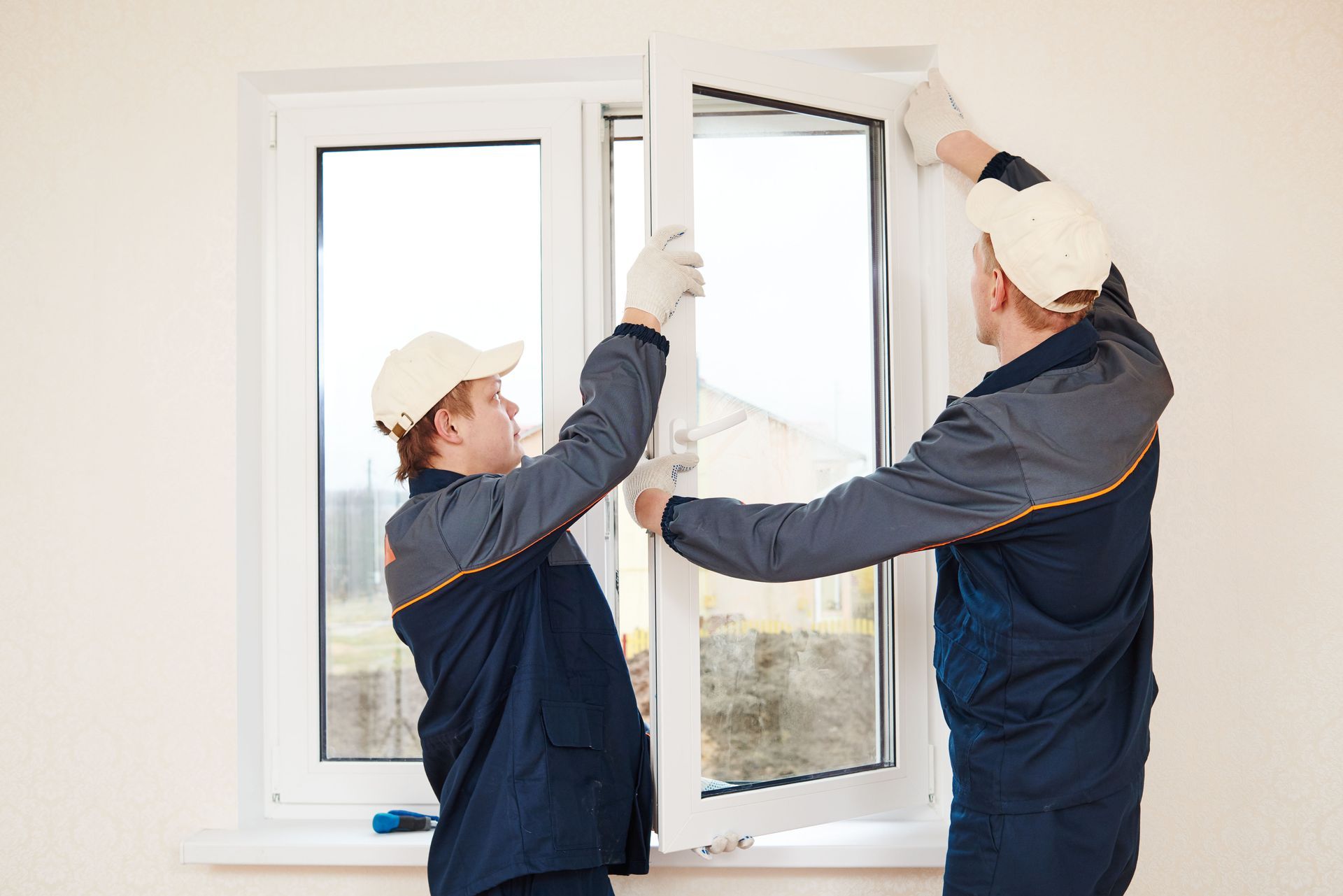
In an era of online tutorials, many ambitious homeowners assume that replacing a window is a straightforward weekend do-it-yourself project. In reality, window installation is a precise structural craft. Even the most technologically advanced, triple-pane window will perform no better than a sheet of plastic if the installation is flawed.
A proper installation requires precise squaring, leveling, and shimming within the rough opening. Installers must properly apply flashing tapes, drip caps, and back dams, and inject low-expansion insulating foam around the perimeter. A slight deviation in plumb can cause the sashes to bind, stick, or fail to latch correctly. Worse, improper exterior flashing allows wind-driven rain to seep into your wall cavities, leading to hidden mold, rotted studs, and damaged drywall long before water appears on the windowsill.
Furthermore, most major window manufacturers explicitly state in their warranty terms that damage resulting from improper installation is not covered. Hiring a local window replacement company guarantees that the framing, flashing, and weatherproofing meet local building codes and protect your investment.
5. Clashing New Window Styles With Your Home’s Character
Windows are fundamental to a home’s architectural identity. Swapping out original units without considering the period and style of your home can disrupt its visual balance and diminish its resale appeal. A classic mistake is replacing double-hung windows featuring traditional grid patterns on a historic Colonial or Craftsman home with plain, gridless sliding windows. Different window styles serve distinct aesthetic and functional needs:
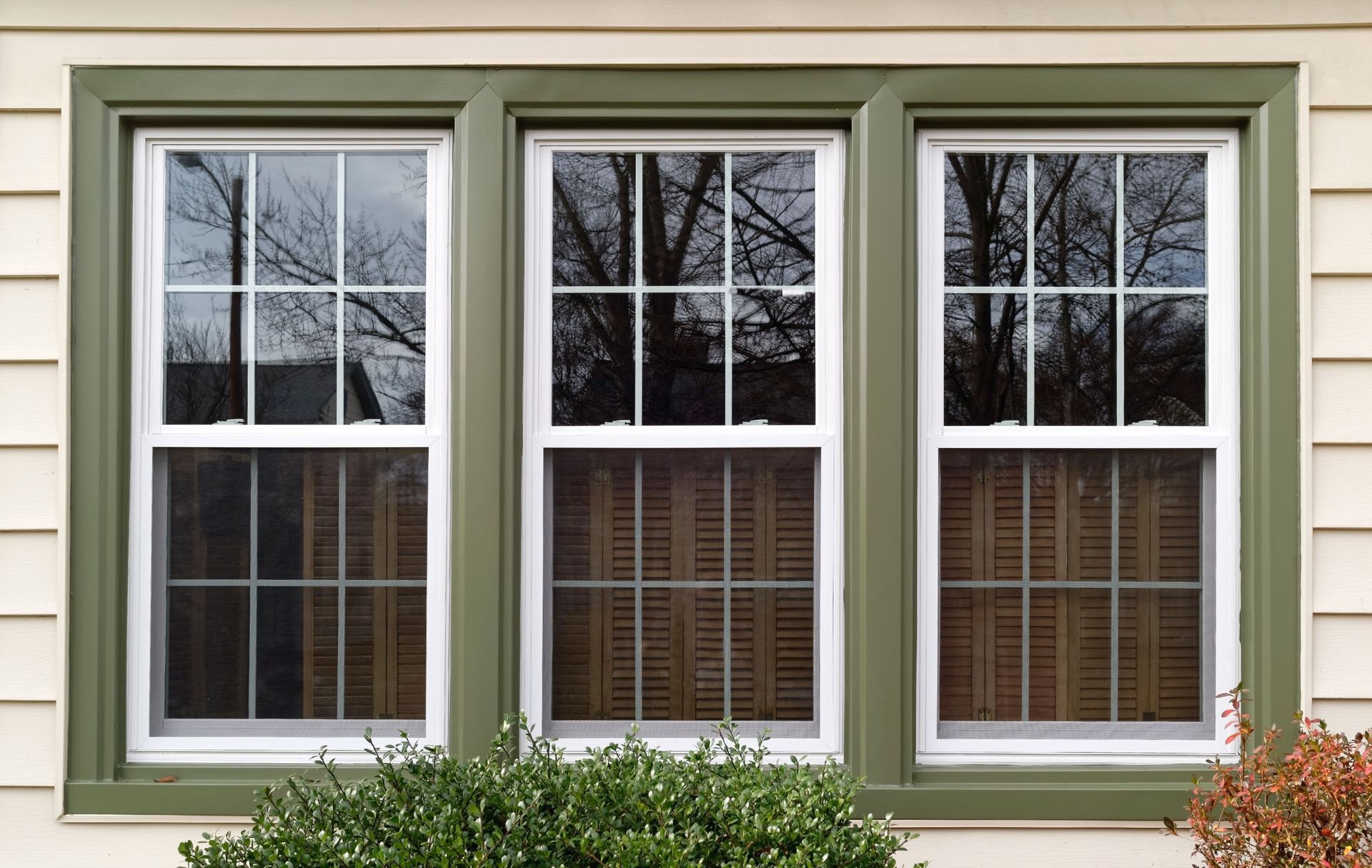
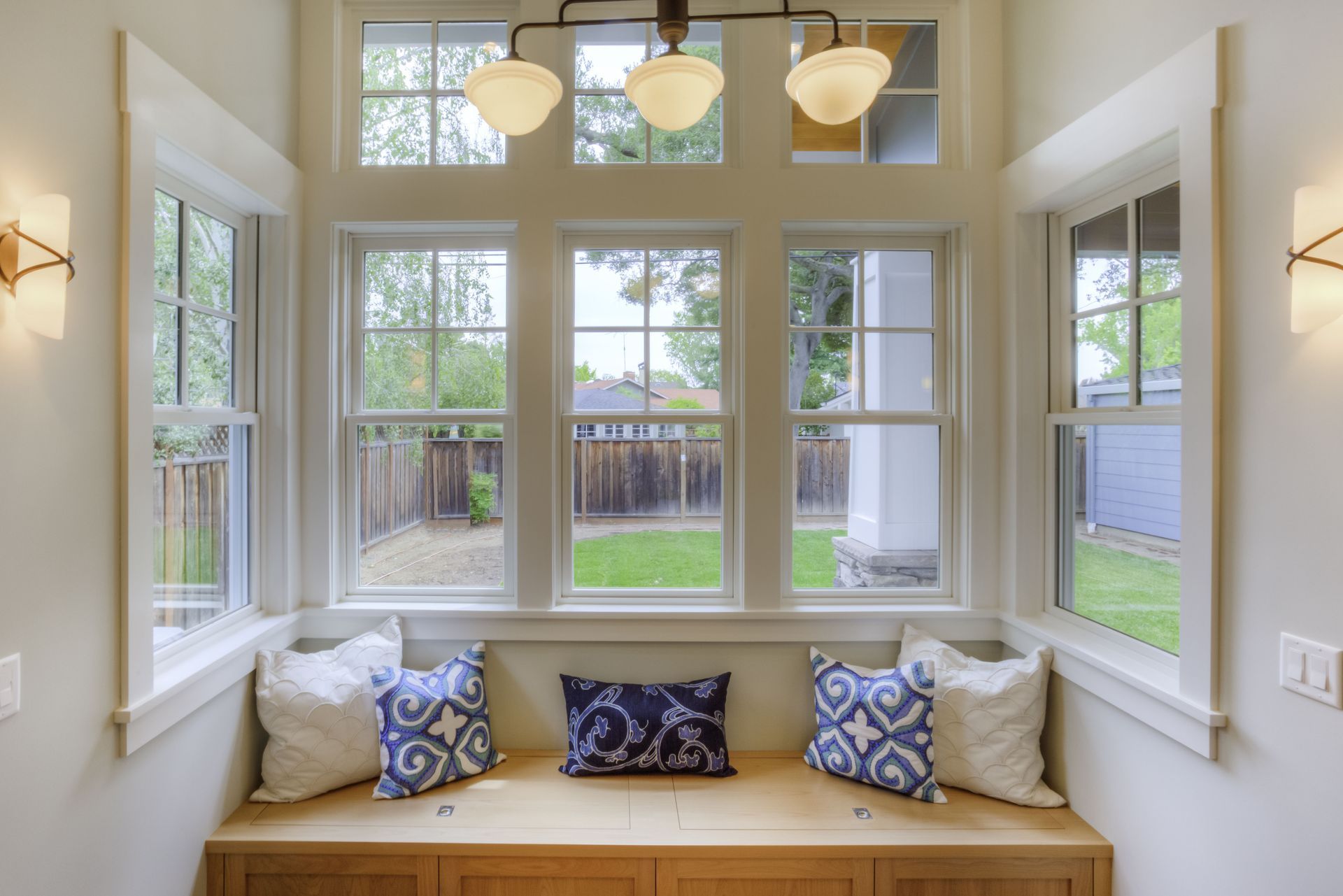
- Double-Hung Windows: Sashes slide vertically; ideal for traditional homes, easy interior cleaning, and versatile airflow.
- Casement Windows: Hinged at the side and crank outward; excellent for modern or contemporary homes, offering tight compression seals and unobstructed views.
- Awning Windows: Hinged at the top and swing outward; ideal for letting in fresh air during rain showers.
- Bay and Bow Windows: Project outward from exterior walls, creating architectural interest, deep sills, and panoramic light.
Before placing an order, request architectural portfolio examples from your local window replacement company to visualize how different profiles, grille profiles, and hardware finishes complement your home’s exterior elevation.
6. Forgetting to Review Manufacturer and Workmanship Warranties
Assuming all warranties provide equal protection is an oversight that catches many homeowners off guard. When purchasing new windows, you are entering into two distinct warranty agreements: the manufacturer warranty and the contractor’s workmanship warranty.
A manufacturer warranty covers the window components themselves, including frame defects, hardware failures, mechanical balances, and hermetic seal failures between glass panes. These warranties vary widely in duration; some offer lifetime coverage on frames, while glass seals may only be covered for ten or twenty years. Pay close attention to whether the warranty is fully transferable to the next homeowner, which can be an attractive selling point if you plan to move.
The contractor warranty, on the other hand, covers the labor and installation process. If water leaks through an improperly flashed frame two years down the road, the manufacturer will decline the claim, leaving you responsible unless your installer guarantees their work. Choosing an established
local window replacement company that backs their installation labor with a comprehensive, written guarantee provides peace of mind that issues will be corrected promptly without out-of-pocket costs.
Upgrading your home’s windows is a transformative improvement that should reward you with lower energy bills, enhanced curb appeal, and year-round indoor comfort. By prioritizing thermal efficiency over bargain pricing, tailoring glass packages to your specific climate, selecting practical frame materials, and insisting on professional installation, you can avoid the costly traps that plague unprepared homeowners.
Ready to enhance your home’s comfort, security, and curb appeal with high-performance windows built to stand the test of time? Contact the dedicated professionals at Pristine LLC today to schedule your complimentary, comprehensive in-home design consultation. Call us directly or submit an inquiry through our website now to find the perfect windows for your home!

Share On: