
Why Window Replacement Is a Smart Long-Term Investment
Homeowners often think of upgrades in terms of immediate appearance or short-term fixes, but some improvements carry value that compounds over time. One of the most impactful examples is window replacement, a project that influences energy efficiency, comfort, resale value, and even long-term maintenance costs. While it may seem like a major upfront expense, the long-term benefits often outweigh the initial investment.
In this article, we explore the various benefits and considerations associated with replacing windows in your home. You’ll see how window replacement can improve day-to-day living conditions while also strengthening your home’s financial position over time.
What Are The Immediate Benefits Of Window Replacement?
The most noticeable advantages of window replacement tend to appear right away. Many homeowners report a more comfortable indoor environment almost immediately after installation. Drafts are reduced, rooms maintain more consistent temperatures, and outside noise is often significantly dampened. These changes can make older homes feel substantially more modern and livable without altering their core structure. Over time, this improved baseline comfort can also reduce the strain on heating and cooling systems since the home is naturally better insulated.
Another immediate benefit is improved usability. Old windows often stick, jam, or fail to open smoothly, which can be both inconvenient and a safety concern. Window replacement resolves these issues by introducing properly functioning hardware and modern materials that are easier to operate. This makes everyday tasks like ventilation and cleaning far more convenient, especially in multi-story homes where accessibility matters.
Aesthetic improvement also plays a major role. New windows refresh both the interior and exterior appearance of a home. Even without additional renovations, window replacement can make a property look well-maintained and updated, which contributes to pride of ownership. The visual upgrade can also subtly modernize older architectural styles without altering their character.
For many homeowners, the initial motivation for window replacement is comfort, but the immediate upgrade in livability quickly confirms the decision. In practice, it often becomes one of the most noticeable quality-of-life improvements a homeowner can make within a single project.
How Does Window Replacement Impact Energy Efficiency?
One of the most significant long-term advantages of window replacement is improved energy efficiency. Older windows, especially those with single-pane glass or deteriorating seals, tend to allow conditioned air to escape while letting outdoor temperatures influence indoor environments. This forces heating and cooling systems to work harder, increasing energy consumption.
Modern window replacement options typically include double or triple-pane glass, low-emissivity coatings, and improved insulation around the frame. These features help stabilize indoor temperatures throughout the year, reducing reliance on HVAC systems.
Over time, the energy savings from window replacement can become substantial. While the exact return depends on climate, home size, and existing window condition, many homeowners notice lower monthly utility bills after upgrading. This is especially relevant in regions with harsh winters or hot summers, where energy loss through inefficient windows becomes more pronounced.
There is also an environmental benefit. By reducing energy usage, window replacement indirectly lowers a household’s carbon footprint. This makes it an appealing option for homeowners who want to improve efficiency while also making more sustainable choices.
In many cases, window replacement is not just about replacing glass—it is about improving the overall thermal envelope of the home.
Can Window Replacement Increase Home Value?
Yes, window replacement can contribute meaningfully to a home’s resale value. Prospective buyers often view updated windows as a major selling point because they reduce the likelihood of immediate maintenance expenses after purchase. A home that already has modern windows is often perceived as better maintained overall. Buyers also tend to associate newer windows with fewer hidden issues, which can make the property feel like a safer, more predictable investment.
In addition to perceived value, window replacement can improve actual market performance. Homes with energy-efficient upgrades tend to stand out in competitive markets, especially when buyers are comparing properties with similar layouts and locations. New windows can also improve appraisal outcomes by reflecting recent upgrades that enhance functionality and efficiency. In some cases, this can subtly influence financing confidence since appraisers factor in condition and recent improvements.
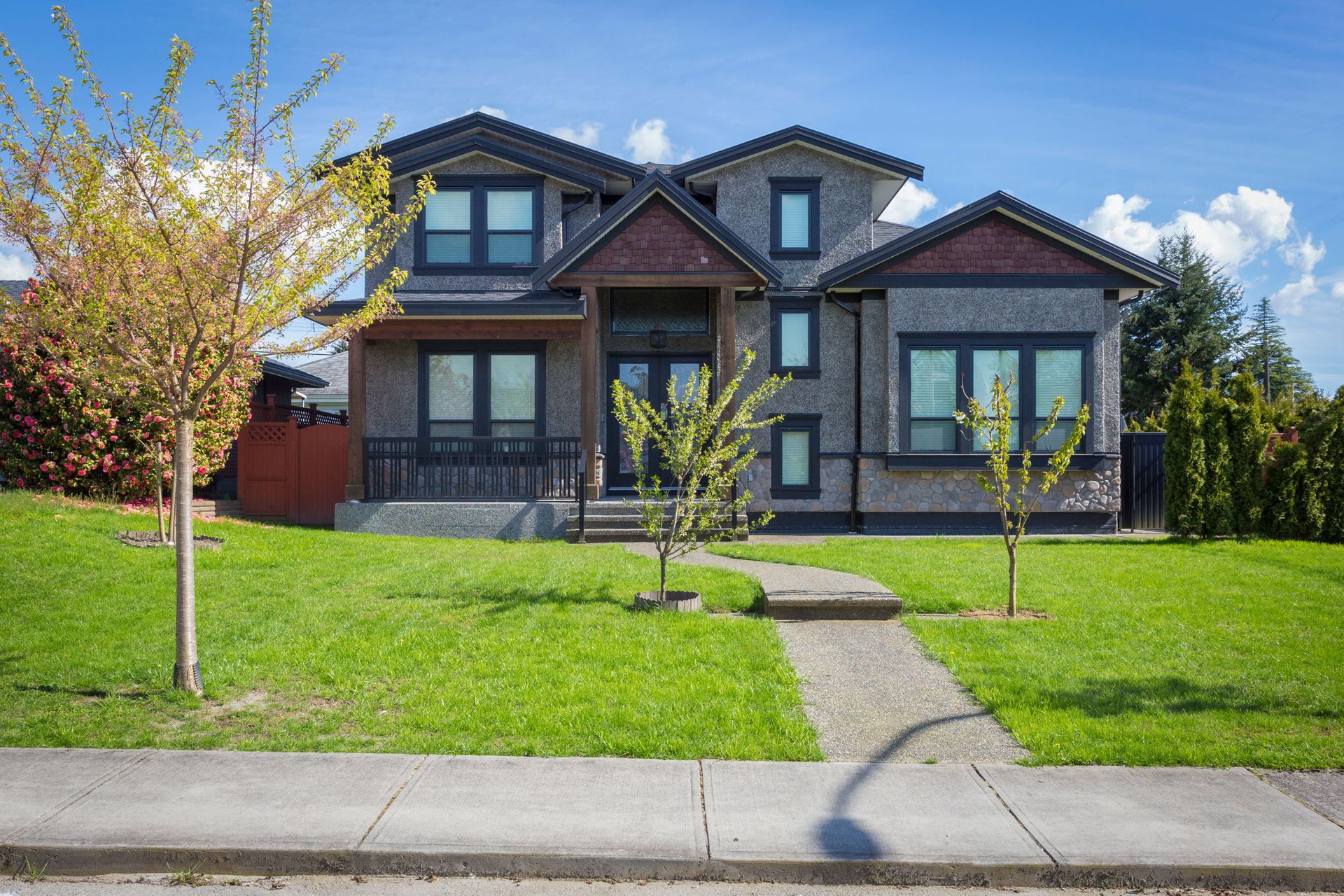
Curb appeal plays an important role here as well. Since windows are a visible exterior feature, window replacement can dramatically change how a home is perceived from the street. Clean lines, modern framing, and uniform design contribute to a more attractive exterior presentation. Even small stylistic updates in window design can make an older home look significantly more contemporary.
For homeowners planning to sell within a few years, window replacement can be a strategic move that helps justify a higher asking price while also reducing time on the market. It can also reduce the number of buyer objections during negotiations, since fewer immediate upgrades are typically required after purchase.
What Are The Cost Considerations For Window Replacement?
Cost is often the primary factor homeowners weigh when considering window replacement. The total investment varies depending on the number of windows, frame materials, glass type, and installation complexity. Custom shapes or historically styled homes may also increase overall expenses.
While the upfront cost can be significant, it is important to consider the long-term financial offset. Energy savings, reduced maintenance, and improved durability all contribute to lowering ongoing household expenses. Over time, these savings can help balance the initial investment.
Quality also matters when evaluating cost. Lower-priced options may seem attractive initially, but they can lead to higher long-term expenses if they require frequent repairs or earlier replacement. A well-executed window replacement using durable materials often proves more cost-effective over the decades.
Financing options are also commonly available through contractors, which can make window replacement more accessible without requiring a large one-time payment. This allows homeowners to spread out costs while still benefiting from immediate improvements in efficiency and comfort.
Ultimately, window replacement should be viewed not as a short-term expense but as a long-term asset investment.
How Often Should Windows Be Replaced?
The lifespan of windows depends on materials, installation quality, climate conditions, and maintenance. On average, many windows last between 15 and 30 years before performance begins to decline significantly.
According to HomeGuide, windows should typically be replaced within a 15 to 30-year range, particularly when issues arise such as leaking seals or visible damage like cracks or rusted components that interfere with proper operation. Once these problems appear, efficiency and functionality tend to decrease rapidly, making window replacement the most practical solution.
Homeowners should also watch for subtle signs that replacement is needed sooner. Condensation between panes, noticeable drafts, or rising energy bills can all indicate that windows are no longer performing effectively. In these cases, delaying window replacement can lead to higher long-term costs.
Routine inspection can help extend the lifespan of existing windows, but once structural or sealing issues develop, repairs are often only temporary. Full window replacement becomes the more reliable option for restoring performance and efficiency.
Window replacement is one of those home improvements that delivers value across multiple dimensions rather than a single benefit. It enhances comfort, improves energy efficiency, strengthens resale potential, and reduces long-term maintenance concerns.
While the upfront cost may require consideration, the long-term returns often justify the investment. For homeowners planning to stay in their property or sell in the future, window replacement remains a practical and strategic upgrade that supports both lifestyle and financial goals. If you're considering new windows for your home, reach out to the professional team at Pristine LLC today!
Share On: